Environmental engineering protects your property investments from costly contamination surprises. I’ve seen too many people get burned because they skipped environmental due diligence. Don’t be that person.
You know that sinking feeling when you realize you made a huge mistake? That’s what happens when contaminated soil shows up on your construction site. Or when groundwater issues halt your project for months.
These problems don’t just cost money. They destroy timelines, relationships, and sometimes entire deals.
Hidden Environmental Costs That Destroy Property Deals
Let me paint you a picture. You’re about to close on that perfect piece of land for your new facility. Everything looks great on paper.
Then boom – Phase II testing reveals petroleum contamination. The cleanup will cost $500K.
Suddenly your dream project becomes a nightmare.
This happens more often than you’d think. Former gas stations, dry cleaners, manufacturing sites all leave behind environmental time bombs. And guess who gets stuck with the cleanup bill?
The current owner.
That’s where smart environmental engineering comes in. It’s not about being paranoid. It’s about being prepared.
Professional Environmental Engineering Solutions
Think of environmental engineers as detectives with chemistry degrees. They dig into a site’s history. They test everything that matters. They tell you exactly what you’re dealing with.
No sugar coating. No technical jargon you can’t understand.
Here’s what they actually check:
- Historical site usage – Was this ever a gas station, dry cleaner, or industrial facility?
- Soil contamination – What’s hiding beneath the surface?
- Groundwater quality – Is the water table compromised?
- Building materials – Any asbestos or lead-based paint concerns?
- Regulatory compliance – What permits and approvals do you need?
The best environmental engineering firms don’t just identify problems. They solve them.
They know which remediation techniques work fastest and cost least. They understand the regulations inside and out.
Most importantly, they can turn a contaminated site into a clean, profitable one.
Phase I Environmental Site Assessment Process
Every smart property transaction starts with a Phase I Environmental Site Assessment. This isn’t optional. It’s mandatory if you want to sleep well at night.
The process is straightforward but thorough. Environmental engineers research the site’s history going back decades.
They look at aerial photos. They review government records. They interview people who know the property.
Then they walk every inch of the site looking for red flags.
What they’re hunting for:
- Underground storage tanks (current or former)
- Chemical stains on concrete
- Unusual odors or soil discoloration
- Proximity to known contaminated sites
- Evidence of past industrial activities
A good Phase I assessment follows ASTM E1527 standards. It’s valid for one year. This gives you time to complete your transaction or move forward with development.
The whole process typically takes 2-3 weeks. It costs a fraction of what you’d pay for cleanup later. It’s basically insurance you can actually use.
Phase II Testing and Contamination Assessment
Sometimes Phase I assessments uncover Recognized Environmental Conditions (RECs). That’s consultant-speak for “we found something suspicious.” When that happens, you need Phase II testing.
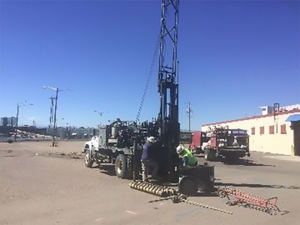
This is where environmental engineering gets serious. We’re talking soil borings, groundwater sampling, and laboratory analysis.
It sounds expensive because it is. Typically $5,000 to $15,000 depending on site complexity.
But here’s the thing: Phase II testing gives you facts, not guesses. You’ll know exactly what contamination exists. You’ll know how extensive it is. You’ll know what it’ll cost to fix.
That information is power in negotiations.
Phase II testing typically includes:
- Drilling soil borings at strategic locations
- Installing monitoring wells for groundwater sampling
- Laboratory analysis for specific contaminants
- Risk assessment and exposure evaluation
- Recommendations for remediation if needed
The data you get from Phase II testing often becomes the foundation for cleanup strategies. Good environmental engineers can usually estimate remediation costs within 20% accuracy. This is based on this information.
Groundwater Remediation and Site Cleanup
When contamination is confirmed, remediation becomes your next challenge. This is where environmental engineering expertise really shines.
The wrong approach can waste hundreds of thousands of dollars. It can waste years of time.
Modern remediation techniques are way more sophisticated than “dig it up and haul it away.” Smart environmental engineers use in-situ treatments. These clean contamination right where it sits.
It’s faster, cheaper, and less disruptive.
Common remediation approaches include:
- Pump and treat systems – Extract contaminated groundwater, clean it, and reinject clean water using advanced water treatment systems
- Chemical injection – Introduce substances that break down contaminants naturally
- Air sparging – Inject air to help volatile compounds evaporate
- Biological treatment – Use microorganisms to consume contamination
The key is matching the right technology to your specific contamination and site conditions. Cookie-cutter solutions don’t work in environmental engineering.
Environmental Regulations and Compliance Requirements
Environmental regulations are like tax codes. They’re complex, constantly changing, and expensive to get wrong.
That’s why you need environmental engineers who live and breathe this stuff.
Different contaminants trigger different regulatory requirements. Petroleum products fall under one set of rules. Industrial solvents follow another.
Hazardous waste has its own special category with even stricter requirements.
Major regulatory frameworks include:
- RCRA (Resource Conservation and Recovery Act)
- CERCLA (Comprehensive Environmental Response, Compensation, and Liability Act)
- State voluntary cleanup programs
- Local environmental ordinances
Good environmental engineers don’t just know the rules. They know the regulators. They understand how to present information in ways that get approvals faster.
They know which agencies are reasonable and which ones are difficult.
This relationship management can save months of delays. It can save thousands in consultant fees.
Advanced Environmental Engineering Technology
Environmental engineering has gotten way more sophisticated in recent years. We’re not just taking soil samples with shovels anymore.
Advanced techniques now include:
- Real-time contamination mapping using direct-push drilling
- 3D modeling of contamination plumes
- Remote sensing and drone surveys
- Advanced laboratory techniques for trace-level detection
- Predictive modeling for remediation planning
These technologies make environmental assessments faster and more accurate. They also reduce the number of borings needed. This cuts costs and minimizes site disruption.
The best environmental engineers invest in these technologies. They deliver better results for clients.
When you’re paying for expertise, make sure you’re getting cutting-edge methods.
Civil Engineering Integration with Environmental Services
Here’s something most people don’t realize: environmental issues and civil engineering are joined at the hip. You can’t design proper site development without understanding environmental constraints.
Contaminated soil affects foundation design. Groundwater contamination influences utility placement. Environmental permits determine construction schedules.
Smart civil engineers work with environmental specialists from day one.
This integrated approach saves time and money. Instead of discovering problems after design is complete, you build solutions into the original plans. It’s proactive instead of reactive.
Environmental engineering also informs sustainable design decisions including landscape architecture considerations. Clean soil can be reused on-site. Groundwater can be managed instead of just pumped away.
Even contaminated materials can sometimes be treated and reused.
Selecting Environmental Engineering Partners
Not all environmental consultants are created equal. Some are academic types who write beautiful reports but can’t actually solve problems. Others are cleanup specialists who jump straight to expensive solutions.
What you want is environmental engineers who understand business. They need technical expertise. But they also need to grasp your timeline, budget, and risk tolerance.
Look for firms that offer:
- Phase I and Phase II assessment capabilities
- In-house remediation design and oversight
- Regulatory expertise and agency relationships
- Integration with civil engineering services
- Real project experience in your industry
The best environmental engineers will give you options, not ultimatums. They’ll explain trade-offs between cost, time, and risk. They’ll help you make informed decisions instead of just telling you what to do.
Conclusion
Environmental engineering protects your investments and opens up opportunities others miss. While your competitors avoid potentially contaminated sites, smart environmental work can help you acquire them at deep discounts and turn them profitable.
The key is working with environmental engineers who understand both the technical and business sides of the equation. You need people who can navigate regulations, design effective solutions, and keep projects moving forward.
At Baseline Engineering Corporation, we’ve been solving environmental challenges for over 25 years with decades of combined team experience. Our environmental engineering services integrate seamlessly with civil engineering and land development projects.
From Phase I assessments to complex groundwater remediation, we help clients turn environmental challenges into competitive advantages.
Smart environmental engineering isn’t just about avoiding problems – it’s about creating value where others see only risk.
Frequently Asked Questions (FAQs)
1. How long does a Phase I Environmental Site Assessment take to complete?
Most Phase I assessments take 2-3 weeks from start to finish. Rush services can reduce this to 7-10 business days for additional cost.
2. What’s the typical cost difference between Phase I and Phase II environmental assessments?
Phase I assessments typically cost $2,000-$5,000. Phase II assessments range from $5,000-$15,000+ because they involve drilling, sampling, and lab analysis.
3. Can I still develop a property if contamination is found during environmental testing?
Yes, contamination doesn’t kill a project – it just changes the approach. Many contaminated sites can be successfully remediated and developed.
4. How do environmental issues affect property insurance and financing?
Most commercial loans require Phase I assessments. Any environmental concerns must be addressed before closing. Environmental insurance is available but requires thorough due diligence first.
5. What happens if I buy a property without environmental assessment and later discover contamination?
Property owners become liable for cleanup costs regardless of who caused the contamination. Costs can reach hundreds of thousands or millions. Proper due diligence provides legal protections.